
Digital piano learning‚ utilizing PDF resources‚ offers a flexible and accessible path for beginners to grasp fundamental skills and musical concepts effectively․
PDFs provide structured lessons‚ sheet music‚ and technique exercises‚ enabling self-paced learning and convenient practice‚ fostering a strong foundation in piano playing․
Why Use PDF Resources for Beginners?
PDF resources are incredibly beneficial for beginner pianists due to their accessibility and cost-effectiveness․ Unlike traditional methods requiring physical books and potentially expensive lessons‚ PDFs offer a readily available and often free starting point․
Digital materials allow for immediate access to a wealth of information‚ from method books like Alfred’s All-In-One Piano Series to focused exercises on scales‚ chords‚ and arpeggios․ This instant availability removes barriers to entry and encourages consistent practice․
Furthermore‚ PDFs facilitate a personalized learning experience․ Beginners can print specific sections for focused practice‚ annotate directly on the sheets‚ and easily share materials with teachers or peers․ The flexibility of digital formats caters to diverse learning styles and schedules‚ making piano learning more approachable and enjoyable for everyone․
Benefits of Digital Piano Learning Materials
Digital piano learning materials‚ particularly PDFs‚ offer several advantages over traditional methods․ Their portability allows practice anywhere with a tablet or laptop‚ eliminating the need to carry heavy books․ This convenience promotes consistent engagement and skill development․
PDFs often include interactive elements like embedded audio examples‚ demonstrating correct pronunciation and rhythm․ This auditory reinforcement is crucial for beginners developing their ear training․ Moreover‚ digital formats enable easy searching and referencing of specific concepts or exercises․
Cost savings are significant; many high-quality PDF resources are available for free or at a lower price than physical counterparts․ This accessibility democratizes piano education‚ making it attainable for a wider audience․ Ultimately‚ digital materials empower beginners to take control of their learning journey‚ fostering independence and motivation․

Essential PDF Resources for Beginner Pianists
Alfred’s All-In-One Piano Series (Book 1) and Palmer‚ Manus Lethco’s Scales‚ Chords‚ Arpeggios & Cadences are excellent starting points for foundational piano skills․
Alfred’s All-In-One Piano Series (Book 1)
Alfred’s All-In-One Piano Series‚ Book 1‚ is a widely recommended method book for beginner pianists‚ offering a holistic approach to learning piano skills․ This comprehensive resource systematically introduces music theory‚ technique‚ and repertoire‚ making it ideal for self-study or with a teacher․
The book progresses gradually‚ starting with basic note reading‚ rhythm‚ and hand position‚ then building towards simple melodies and chords․ It incorporates a variety of musical styles‚ exposing students to diverse genres early on․
PDF versions of this book are readily available‚ providing convenient access for digital practice․ The series emphasizes a well-rounded education‚ covering sight-reading‚ ear training‚ and musical expression; It’s a fantastic primer for establishing a solid foundation in piano playing‚ preparing students for more advanced studies and musical exploration;
Palmer‚ Manus Lethco‚ Scales‚ Chords‚ Arpeggios & Cadences
Palmer‚ Manus Lethco’s “Scales‚ Chords‚ Arpeggios & Cadences” is an essential companion to any beginner piano method‚ focusing on the fundamental building blocks of music․ While not a standalone method‚ it provides crucial technical exercises for developing finger dexterity‚ coordination‚ and a strong understanding of harmony․

This resource systematically presents scales‚ chords‚ arpeggios‚ and cadences in all major and minor keys‚ offering a structured approach to mastering these essential elements․ PDF versions allow for easy printing and annotation‚ facilitating focused practice sessions․
It’s particularly valuable for solidifying theoretical concepts learned in method books like Alfred’s‚ and building a strong technical foundation․ Consistent practice with this book will significantly improve a beginner’s ability to navigate the keyboard and understand musical structure․

Building a Piano Technique Roadmap
A technique roadmap‚ utilizing PDFs‚ systematically builds skills through scales‚ arpeggios‚ chords‚ and cadences‚ forming a solid foundation for musical expression․
Scales‚ Arpeggios‚ Chords‚ and Cadences – The Foundation
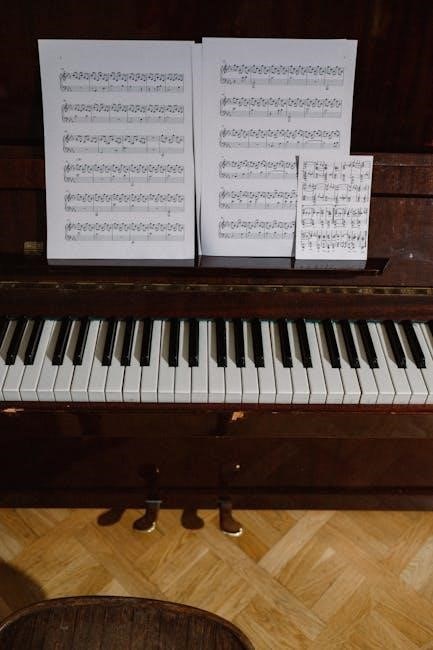
Mastering scales‚ arpeggios‚ chords‚ and cadences is absolutely crucial for any aspiring pianist‚ forming the bedrock of technical proficiency and musical understanding․
These elements aren’t merely exercises; they are the building blocks of melodies‚ harmonies‚ and improvisations‚ enabling fluid movement across the keyboard and a deeper comprehension of music theory․
Palmer‚ Manus Lethco’s resource provides a comprehensive approach to these foundational concepts‚ offering structured practice routines and progressive exercises․
Margaret Denton’s PDF offers a systematic order for practicing scales‚ arpeggios‚ and cadences‚ providing a clear path for focused development․
Consistent practice of these elements cultivates finger dexterity‚ strengthens muscle memory‚ and enhances harmonic awareness‚ ultimately unlocking greater expressive potential at the piano․
A Systematic Approach to Scale Practice (Margaret Denton’s PDF)
Margaret Denton’s PDF presents a meticulously organized approach to scale practice‚ designed to maximize efficiency and accelerate progress for beginner pianists․

Unlike random practice‚ Denton’s method introduces scales in a specific sequence‚ building upon previously learned concepts and gradually increasing complexity․
This systematic progression ensures a solid foundation‚ preventing gaps in knowledge and fostering a deeper understanding of key signatures and finger patterns․
The PDF outlines a 220 octave scale‚ arpeggio‚ and cadence practice routine‚ offering a clear roadmap for daily exercises․
By following this structured approach‚ students can avoid frustration‚ develop consistent technique‚ and unlock a greater sense of musicality‚ ultimately leading to more confident and expressive playing․
It’s a valuable resource for building a strong technical base․
Technique Roadmap Progression
A robust technique roadmap for beginner pianists should prioritize a sequential build-up of fundamental skills‚ starting with foundational elements and gradually introducing complexity․
Initially‚ focus on mastering scales‚ arpeggios‚ chords‚ and cadences – the building blocks of musical expression – utilizing resources like Palmer and Lethco’s materials․
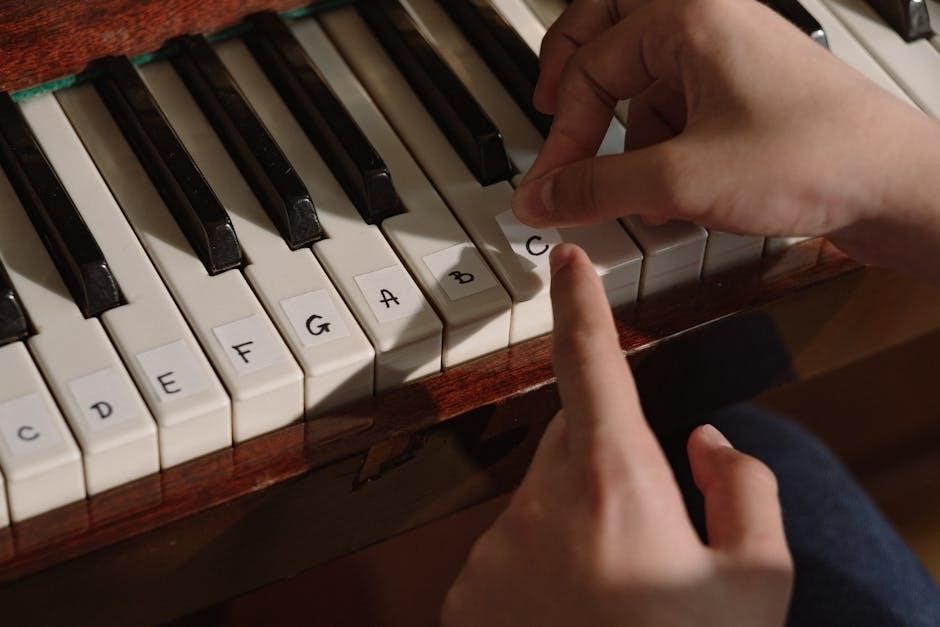
Progress from simple major and minor scales to more challenging key signatures‚ incorporating rhythmic variations and different articulation styles․
Simultaneously‚ introduce chord progressions and inversions‚ fostering harmonic awareness and finger dexterity․
As proficiency grows‚ expand the roadmap to include stylistic elements‚ exploring techniques specific to genres like pop‚ blues‚ or jazz․
Consistent practice‚ guided by a structured roadmap‚ is crucial for developing a solid technique and unlocking musical potential․

Exploring Different Piano Styles
PDF resources unlock diverse piano styles – pop‚ blues‚ and jazz – allowing beginners to apply learned techniques creatively and expand their musical horizons․
Pop Piano Techniques (Mark Harrison’s “The Pop Piano Book”)
Mark Harrison’s “The Pop Piano Book” serves as a comprehensive technique roadmap for modern piano playing‚ offering a wealth of material for aspiring musicians․
Though extensive‚ this resource delves into techniques frequently employed in popular music‚ providing a structured approach to learning contemporary piano skills․
Beginners can benefit from exploring the book’s content to understand advanced concepts and build a solid foundation in pop piano styles․
It’s a valuable tool for those seeking to move beyond basic exercises and apply their knowledge to real-world musical contexts‚ enhancing their improvisational and compositional abilities․
The book’s detailed explanations and exercises facilitate a deeper understanding of harmonic progressions‚ rhythmic patterns‚ and stylistic nuances prevalent in pop music․
Blues piano introduces a soulful and expressive dimension to piano playing‚ characterized by its distinctive harmonic structures and rhythmic feel․ For beginners‚ exploring blues fundamentals opens a gateway to improvisation and musical storytelling․
Essential elements include learning the 12-bar blues progression‚ understanding blues scales‚ and mastering techniques like shuffle rhythms and call-and-response patterns․
PDF resources dedicated to blues piano often provide simplified arrangements of classic blues tunes‚ allowing beginners to apply their newfound knowledge in a practical context․
Focusing on left-hand bass patterns and right-hand melodic improvisation builds a strong foundation for developing a unique blues piano style․
Embracing the emotional depth and rhythmic vitality of the blues enhances musicality and fosters a deeper connection to the instrument․
Jazz Piano Fundamentals
Jazz piano presents a captivating journey into harmonic complexity and rhythmic sophistication‚ demanding a solid grasp of foundational concepts for beginners․ Exploring jazz fundamentals unlocks a world of improvisation and harmonic exploration․
Key elements include understanding seventh chords‚ jazz scales (like the bebop scale)‚ and common jazz chord progressions․ Learning to “comp” – accompany a soloist with rhythmic chords – is crucial․
PDF resources for jazz piano often feature simplified arrangements of jazz standards‚ providing a practical platform for applying theoretical knowledge․
Developing a strong sense of swing rhythm and exploring different voicings are essential for capturing the authentic jazz sound․
Improvisation‚ though challenging‚ can be approached through learning basic jazz licks and practicing over simple chord changes‚ fostering creativity and musical expression․
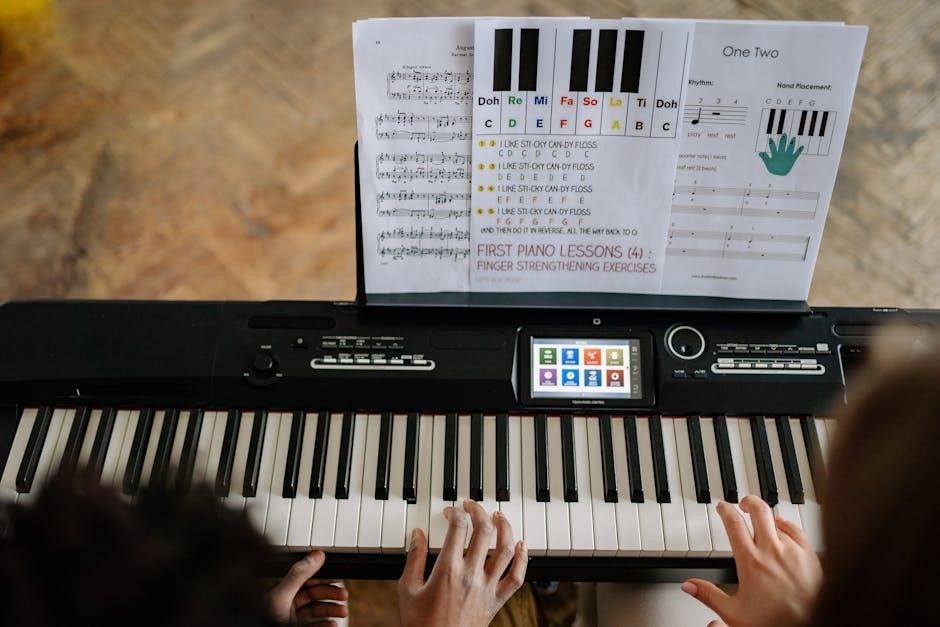
Utilizing PDFs for Specific Pieces
PDF tutorials and sheet music unlock popular pieces like “Für Elise”‚ offering beginner-friendly arrangements and guidance for mastering specific songs effectively․
PDFs simplify learning‚ providing accessible resources for building repertoire and enhancing piano skills through familiar melodies․
Learning “Für Elise” with PDF Tutorials
Beethoven’s “Für Elise”‚ a universally recognized piano piece‚ presents an excellent‚ yet approachable‚ challenge for beginner pianists utilizing PDF resources․ Many online platforms offer simplified arrangements specifically tailored for those new to the instrument‚ often including lettered notes directly on the sheet music within the PDF․
These PDF tutorials frequently break down the piece into smaller‚ manageable sections‚ focusing on hand positioning‚ finger exercises‚ and rhythmic accuracy․ Furthermore‚ some PDFs incorporate accompanying video links‚ providing a visual demonstration of proper technique and interpretation․ Beginners can benefit from slowing down the tempo using digital piano software while referencing the PDF‚ gradually increasing speed as proficiency grows․
Searching for “Für Elise beginner piano PDF” will yield a wealth of options‚ ranging from free downloads to more comprehensive‚ paid arrangements․ Remember to prioritize resources that clearly indicate their suitability for beginners and offer detailed instructions․ Consistent practice with a well-chosen PDF tutorial can unlock the joy of playing this iconic melody․
Finding Sheet Music PDFs for Beginner Songs
Locating sheet music PDFs for beginner songs is remarkably straightforward with numerous online resources catering to aspiring pianists․ Websites like Musicnotes․com‚ SheetMusicPlus‚ and IMSLP (for public domain pieces) offer extensive libraries‚ often with free sample PDFs available for preview․
When searching‚ utilize keywords like “easy piano sheet music PDF‚” “beginner piano songs PDF‚” or specify a genre like “children’s songs piano PDF․” Many websites categorize music by difficulty level‚ simplifying the selection process․ Be mindful of copyright restrictions; ensure you are legally accessing and using the PDF sheet music․
Furthermore‚ dedicated piano learning websites frequently provide curated collections of beginner-friendly PDF songs as part of their learning materials․ Exploring these resources can offer a structured approach to building repertoire and developing essential piano skills․ Remember to choose songs that genuinely interest you to maintain motivation!
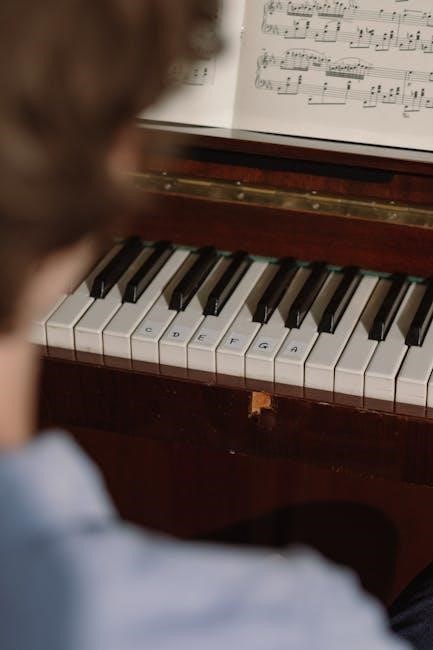
Advanced Roadmap Considerations
Progressing requires evaluating weighted keys‚ pedal usage‚ and personalized learning—adjusting pace to interests and equipment‚ enhancing technique and musical expression significantly․
Weighted Keys and Pedal Usage
Transitioning beyond initial PDF exercises‚ consider the impact of your instrument․ Weighted keys closely mimic the feel of an acoustic piano‚ developing proper finger strength and control – crucial for nuanced expression․ While digital pianos with unweighted keys are accessible‚ a weighted action significantly enhances technique․
Simultaneously‚ explore pedal usage․ The sustain pedal‚ in particular‚ adds depth and resonance to your playing‚ enabling legato phrasing and harmonic richness․ PDF resources often indicate pedal markings within sheet music; practice coordinating foot and hand movements․
Initially‚ focus on simple exercises to integrate the pedal smoothly․ Ignoring these elements can hinder long-term development‚ limiting your ability to fully interpret and perform a wide range of piano repertoire․ Investing in a piano with weighted keys and a functional sustain pedal is a worthwhile step․
Personalized Learning Pace and Interests
Embarking on piano learning with PDFs requires self-awareness․ Recognize that progress isn’t linear; some concepts will click quickly‚ while others demand more time․ Avoid rigid adherence to a schedule if it causes frustration․ Prioritize consistent‚ focused practice over lengthy‚ unproductive sessions․
Crucially‚ integrate music you enjoy․ Supplementing method books with simplified arrangements of favorite songs maintains motivation․ PDFs readily offer sheet music for various genres – pop‚ blues‚ jazz – allowing exploration of personal interests;
Tailoring your learning path fosters engagement and accelerates skill development․ Don’t hesitate to deviate from a strict roadmap to pursue pieces that inspire you․ Remember‚ the goal is musical enjoyment alongside technical proficiency․ A personalized approach ensures a fulfilling and sustainable piano journey․