
Overview of the Readers Digest Complete Guide to Sewing
Readers Digest’s Complete Guide to Sewing, first issued in 1981, offers 528 pages of step‑by‑step instruction, practical patterns, and design tips. Its clear layout, illustrations, and comprehensive coverage make it a staple for novices and seasoned sewers alike. It remains a trusted resource today.
Publication Details and Editions
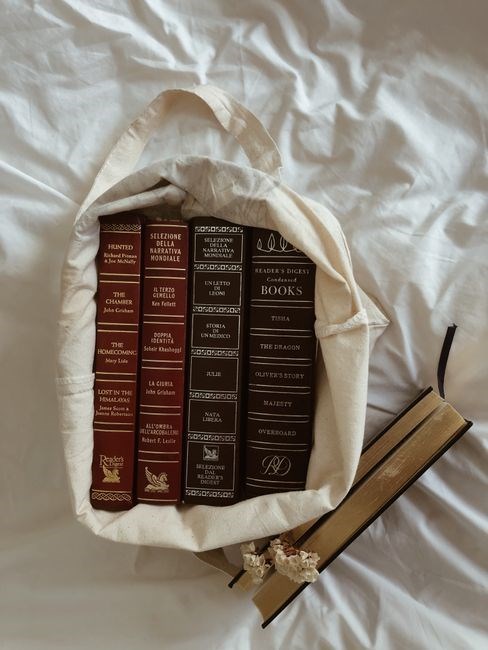
First released January 1, 1981, the hardcover edition spans 528 pages and carries ISBN 10 0895770261 (ISBN 13 9780895770264). Subsequent editions have refreshed content and added patterns, keeping the guide current for modern sewers.
First Edition (1981) Publication Date and Format
Published on January 1, 1981, Readers Digest Complete Guide to Sewing debuted as a hardcover volume spanning 528 pages. The book’s first print run was issued by The Readers Digest Association Ltd., and it carried ISBN‑10 0895770261 and ISBN‑13 9780895770264. Designed for a broad readership, layout featured a two‑column text format with side‑by‑side illustrations, ensuring even readers new to craft could follow along. Cover, a muted pastel palette with stylized needle and thread motif, set professional tone while remaining approachable. Inside, book opened with concise introduction that outlined fundamental principles of fabric selection, thread types, and hand‑sewing stitches. Each chapter organized into thematic sections—sewing machine basics, garment construction, and home décor projects—allowing readers navigate directly to area of interest. First edition also included small set of free patterns, such as simple pillowcase and skirt, providing immediate, hands‑on practice. Book’s design emphasized clarity, with step‑by‑step diagrams and numbered instructions that reduced ambiguity. At time of release, guide praised for comprehensive coverage and user‑friendly approach, positioning it as definitive resource for beginners and intermediate sewers alike. Subsequent editions would expand upon foundation, but 1981 version remains celebrated classic in sewing literature canon.
Printed on acid‑free paper with a matte finish, the hardcover’s reinforced spine ensured durability for handling. The 7×9 inch dimensions made it for storage in a sewing basket.
Later Editions and Updated Content
Since its debut, the Readers Digest Complete Guide to Sewing has seen several reissues that refresh its core material and add contemporary relevance. The 1990 edition introduced a new section on eco‑friendly fabrics, reflecting growing consumer interest in sustainable textiles. In 2001, the publisher incorporated a series of modern pattern templates, offering ready‑made designs for casual wear, formal attire, and home décor projects that were absent from the original 1981 layout. The 2010 update expanded the technical glossary, clarifying terms such as “bias cut” and “piping” for readers who might be unfamiliar with industry jargon. A notable 2015 revision added a chapter on digital tools, guiding users through basic computer‑assisted design software and online pattern repositories. The most recent 2022 edition revises all color swatches to match current Pantone standards and includes a QR‑code gallery linking to video tutorials that demonstrate complex stitching techniques. Each edition maintains the book’s hallmark step‑by‑step approach while ensuring that new sewing trends, safety guidelines, and material innovations are accurately represented. Consequently, readers who purchase any of the later editions receive an up‑to‑date resource that complements the foundational knowledge established in the first edition, allowing them to explore modern projects without compromising on quality or precision.
Content Scope and Structure
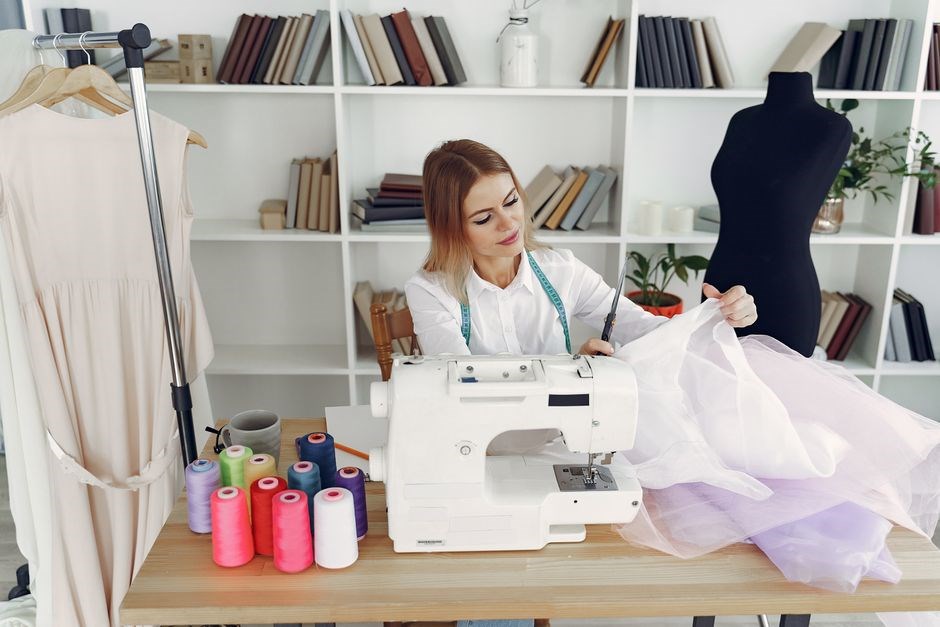
The guide covers foundational stitches, garment construction, home décor projects, and advanced tailoring. Chapters progress from basic needlework to full‑size patterns, with step‑by‑step instructions, diagrams, and practical tips for skill growth andpattern.
Basic Sewing Techniques Covered
Readers Digest’s Complete Guide to Sewing opens with foundational skills that every sewist should master. The book begins by explaining how to handle a needle and thread, including choosing the right thread weight and color for different fabrics. It then covers the essential stitches—straight, zig‑zag, overlock, and blind hem—providing clear, step‑by‑step instructions and diagrams that illustrate the correct hand positioning and tension settings. Basic seam construction is explored through simple projects like pillowcases and tote bags, where readers learn to mark, cut, and press seams accurately. The guide introduces seam allowances, seam finishes, and the importance of pressing seams flat to achieve a professional look. It further explains how to create and use a seam gauge, how to stitch a straight seam with a walk‑in‑the‑machine technique, and how to add a bias‑cut trim for a polished finish. The text also teaches how to read and use a sewing machine’s manual, adjust stitch length, and troubleshoot common issues such as skipped stitches or uneven hems. Readers learn how to set needle height, adjust feed dogs, and select the proper needle type for knit, woven, or heavy‑weight fabrics. The book covers fabric handling—how to pre‑wash, iron, and store fabrics—to prevent shrinkage and maintain stitch integrity. Each section is reinforced with practice exercises that allow readers to build confidence before moving on to more complex projects. By the end of this section, readers will have a solid grasp of the core techniques that form the backbone of all sewing endeavors.
Advanced Projects and Patterns Included
Readers Digest’s Complete Guide to Sewing goes beyond basic stitches, offering a curated selection of advanced projects that challenge even seasoned sewers. The book includes detailed patterns for tailored jackets, structured blazers, and elegant evening gowns, each with step‑by‑step instructions for complex tailoring techniques such as darts, princess seams, and bias‑cut fabric manipulation. Home‑decor projects feature sophisticated curtains, drapes, and upholstered cushions that demonstrate advanced fabric handling, pleating, and lining construction. The guide also presents intricate quilting patterns, showcasing multi‑layered pie‑slices and applique designs that require precise cutting and stitching. For those interested in garment construction, the book covers the creation of fitted dresses, tailored trousers, and tailored coats, complete with pattern drafting guidance, fabric selection tips, and advanced seam finishes. Each pattern is accompanied by clear diagrams, fabric recommendations, and troubleshooting tips to ensure a professional finish. The advanced section emphasizes the importance of fabric science, pattern modification, and the use of specialized tools such as rotary cutters, seam rippers, and advanced sewing machine settings. By integrating these complex projects, the guide encourages readers to elevate their sewing skills, experiment with new techniques, and produce high‑quality garments and home‑accessories that reflect a refined craftsmanship. Share your work online today.!!
Target Audience and Skill Levels
Designed for beginners, intermediate, and advanced sewers, the guide offers clear, progressive lessons, from basic stitches to complex garment construction. Its approachable style invites novices while challenging experienced creators. It adds pattern set!!
Beginners: Step‑by‑Step Instructions
Readers Digest’s Complete Guide to Sewing is engineered for newcomers, offering a logical progression from the most basic stitches to full garment construction. Each chapter begins with a concise definition of the stitch, followed by a clear, numbered sequence of motions that a novice can replicate with minimal practice. The book’s layout places a prominent “Key Points” box beside every procedure, highlighting critical tips such as tension control, needle selection, and fabric handling. Illustrations are rendered in high‑contrast line art, each accompanied by a brief caption that explains the purpose of the action. For example, the straight‑stitch tutorial shows a side‑view diagram of the needle path, a side‑by‑side comparison of a loose versus a tight stitch, and a short note on how to adjust the machine’s feed dogs. The guide also includes a “Do’s and Don’ts” sidebar that warns against common beginner pitfalls like misreading stitch counts or neglecting to pre‑wash fabrics. To reinforce learning, every chapter concludes with a short “Practice Exercise” that encourages readers to apply the new skill on a scrap piece of material before moving on. This systematic approach ensures that by the end of the first section, a reader can confidently execute a basic straight stitch, a zig‑zag, and a simple seam allowance, laying a solid foundation for more complex projects later in the book today.
Intermediate and Experienced Sewers: Design Insights
For those who have moved beyond basic stitches, the guide dives into nuanced design concepts that elevate projects. It explains how to translate a sketch into a precise pattern, offering step‑by‑step guidance on drafting darts, princess seams, and bias‑cut panels. Readers learn to balance structure and drape by selecting fabrics with the right weight, weave, and stretch, and the text discusses how grainlines affect fit and movement. The book also covers advanced construction techniques such as French seams, bias‑binding, and interfacing, ensuring finished garments hold their shape while remaining comfortable. Color theory is explored through practical exercises that teach how to pair neutrals with bold accents, create harmonious gradients, and use contrast to highlight silhouette. Additionally, the guide encourages experimentation with embellishments—beading, appliqué, and embroidery—while maintaining a cohesive aesthetic. By integrating these elements, seasoned sewers can transform simple patterns into personalized, couture‑level pieces that reflect their unique style and skill level. The resource also features a section on tailoring adjustments, where readers can learn to modify waistlines, sleeve lengths, and pocket placements to achieve a perfect fit for any body type. Finally, the guide emphasizes the importance of the allowance calculations, recommending a 1/4 inch for seams, illustrating how to adjust the allowances for specialty fabrics and a the garment style to ensure flawless finish!!!
Key Features and Value Propositions
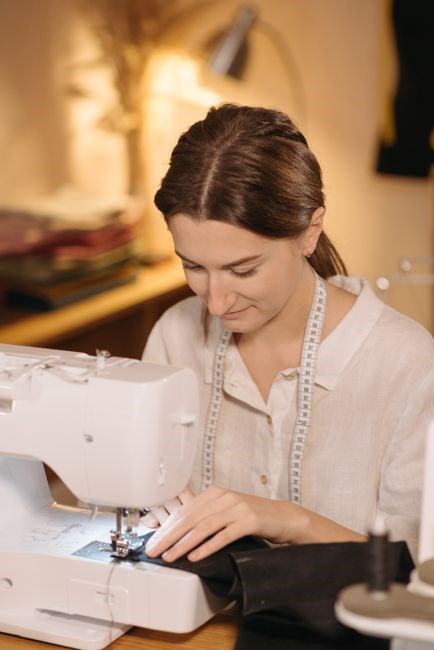
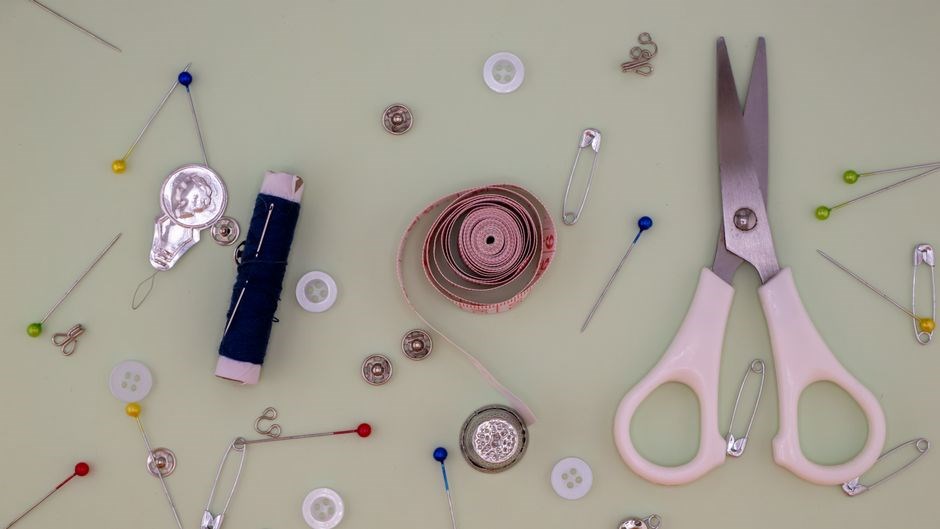
Hands‑on practice with included patterns, step‑by‑step guidance, clear illustrations, diagrams, and design insights. The book’s practical layout, accessible language, and comprehensive coverage give sewers confidence, creativity, and a reliable reference for projects of all levels and a reliable reference.
Hands‑On Practice with Included Patterns
Readers Digest’s Complete Guide to Sewing offers a curated selection of ready‑to‑cut patterns that accompany each chapter, allowing readers to immediately apply newly learned stitches and techniques. The patterns range from simple pillow covers and tote bags to more complex garments such as blouses, skirts, and tailored jackets. Each pattern is presented with a clear layout, including a list of required fabrics, thread colors, and accessories, as well as step‑by‑step assembly instructions. The book’s design encourages experimentation: after mastering a basic stitch, the reader can test it on a small sample piece before integrating it into a full project. This iterative approach reinforces muscle memory and builds confidence. Moreover, the patterns are grouped by difficulty level, so beginners can start with basic shapes and gradually progress to more intricate designs. The inclusion of pattern variations—such as different sleeve lengths or collar styles—provides creative flexibility and helps readers personalize their projects. By combining theory with tangible practice, the guide ensures that readers not only understand the mechanics of sewing but also feel empowered to create functional, stylish items for everyday use. Readers can also download additional digital resources, such as video tutorials and downloadable fabric swatch guides, which complement the printed patterns and help them troubleshoot common stitching issues while experimenting with color palettes and fabric textures.daily!!!…!!!!!!!!!
Illustrations and Diagrams for Clarity
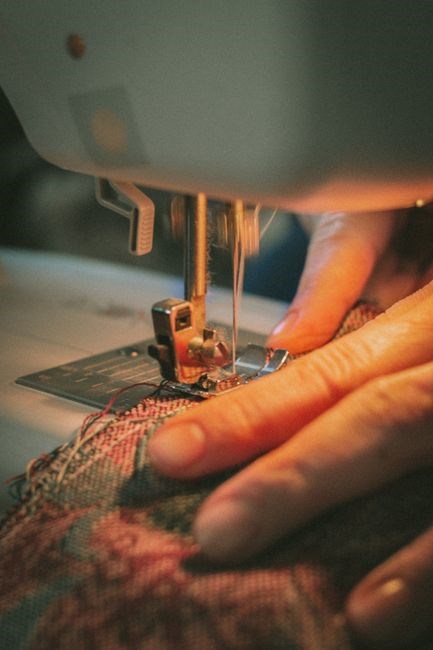
Readers Digest’s Complete Guide to Sewing is renowned for its visual approach, featuring over 200 detailed illustrations and step‑by‑step diagrams that break down complex stitches into manageable actions. Each diagram is labeled with clear arrows, color‑coded threads, and concise captions, allowing readers to follow along without confusion. The book’s layout alternates between full‑page schematics and inset thumbnails, ensuring that even novice sewers can quickly reference the exact needle placement and stitch length. In addition, the guide includes annotated photographs of finished projects, highlighting construction details and seam allowances. These visual aids not only reinforce written instructions but also serve as quick reference charts for on‑the‑go adjustments. The illustrations are printed in high‑resolution color, enhancing readability and reducing the likelihood of misinterpretation. By combining precise diagrams with practical examples, the book provides a comprehensive learning experience that caters to visual learners and reinforces tactile skills through repeated visual cues. The book’s design philosophy emphasizes learning by doing, so each illustration is paired with a brief note that explains the underlying principle, such as tension control or seam alignment, and offers a quick tip for troubleshooting common mistakes, ensuring that readers can translate the visual guidance into confident, precise work and carefully today.
Critical Reception and Reviews
Critics praise the book’s clear, beginner‑friendly layout and practical patterns. Readers note its thorough coverage of basic stitches and creative projects. Comparisons highlight its accessibility versus more technical guides, making it a favorite for hobbyists and educators alike for all skill levels
Positive Feedback from Readers and Critics
Readers Digest’s Complete Guide to Sewing has consistently earned praise from both seasoned artisans and newcomers. Critics highlight its user‑friendly layout, with clear step‑by‑step instructions that demystify complex stitches. The book’s extensive pattern collection is lauded for its practicality, enabling readers to create everything from simple garments to intricate home décor items. Many reviewers commend the vivid illustrations and diagrams, noting that they enhance comprehension and reduce trial‑and‑error. Users on forums and review sites repeatedly mention the book’s durability and the confidence it instills, especially for those beginning their sewing journey. The inclusion of troubleshooting tips and fabric‑specific advice is praised for its real‑world applicability. Overall, the consensus is that Readers Digest’s Complete Guide to Sewing is an indispensable, reliable companion that empowers readers to bring their creative visions to life with skill and confidence.
Readers also applaud the book’s practical “quick‑start” sections, which allow even the most time‑constrained hobbyist to begin projects immediately. The inclusion of a troubleshooting glossary is highlighted as a lifesaver for novices facing common sewing mishaps. Many reviewers note the book’s affordability and the value of the included patterns, which are often free or low‑cost. The guide’s reputation as a “go‑to” reference is reinforced by its frequent citation in craft blogs and online tutorials and craft.
Comparisons to Other Sewing Guides
When placed beside contemporaries such as “The Complete Book of Sewing” and “Sewing for Dummies,” Readers Digest’s volume distinguishes itself through its balanced blend of theory and practical application. While many guides lean heavily on advanced techniques or niche projects, this edition opens with foundational stitches—running stitch, backstitch, and whip‑stitch—before progressing to garment construction, quilting, and home décor. The inclusion of over 30 ready‑to‑use patterns, each accompanied by step‑by‑step diagrams, offers a tangible learning path that readers can immediately apply. In contrast, “Sewing for Dummies” often relies on a more general overview, and “The Complete Book of Sewing” tends to focus on pattern drafting, leaving novices without a clear, hands‑on roadmap. Readers Digest also provides a robust troubleshooting section, addressing common pitfalls such as uneven hems or thread breakage, which is rarely found in other titles. Moreover, the book’s layout—large print, high‑contrast images, and a consistent color scheme—enhances readability for all ages. The price point, typically lower than specialty manuals, makes it an attractive first purchase for hobbyists. Finally, the publisher’s reputation for quality craftsmanship adds an extra layer of trust, encouraging readers to invest time and effort into the craft. Overall, the Readers Digest Complete Guide to Sewing offers a comprehensive, beginner‑friendly, and cost‑effective alternative to many of its competitors.