The Official Railway Guide: A Historical and Modern Overview
The official railway guide, evolving from printed timetables to digital platforms, remains vital for passengers despite modern transfer apps and ongoing network changes․
Origins and Early Development
The genesis of the official railway guide lies in the burgeoning railway network of the 19th century․ As lines rapidly expanded, a crucial need arose for consolidated information regarding schedules and routes․ Early attempts were fragmented, often published by individual railway companies, leading to confusion for travelers․
Before comprehensive guides, passengers relied on station notices and word-of-mouth․ The desire for a unified resource spurred the development of the first official guides, aiming to simplify rail travel․ These initial publications weren’t merely timetables; they included maps, fares – even hackney carriage costs from key stations like Liverpool Lime Street – offering a holistic travel planning experience․ This marked the beginning of a long tradition of aiding rail passengers․
George Bradshaw and the First Comprehensive Guides
George Bradshaw is rightfully considered the pioneer of the comprehensive railway guide․ His first compilation timetable, a landmark achievement, consolidated information from multiple railway companies into a single, accessible resource․ This wasn’t simply a list of train times; Bradshaw’s guides included detailed route maps, fare listings, and even information about connecting transport options․
Bradshaw’s innovation lay in his commitment to accuracy and completeness․ He meticulously gathered data, creating a reliable tool for Victorian travelers navigating the increasingly complex rail network․ His guides quickly became indispensable, shaping how people planned and experienced rail journeys․ The impact of his work continues to resonate, establishing a standard for railway information that endures today․
The Golden Age of Railway Publishing (19th Century)
The 19th century witnessed a flourishing market for railway guides, building upon George Bradshaw’s foundational work․ Numerous publishers competed to provide the most accurate and detailed information to rail passengers․ These guides weren’t merely functional; they often featured elaborate illustrations and detailed descriptions of towns and cities along the railway lines․
This era saw guides become collectible items, reflecting the growing popularity of rail travel and the Victorian fascination with infrastructure․ The demand for comprehensive timetables and route maps fueled a thriving publishing industry․ Guides like Bradshaw’s became essential companions for travelers, offering not just schedules, but a window into the expanding world connected by rail․

Evolution of the Railway Guide
The official railway guide transformed from printed timetables to dynamic digital platforms, adapting to nationalization, private operators, and the increasing fragmentation of networks․
From Printed Timetables to Digital Platforms
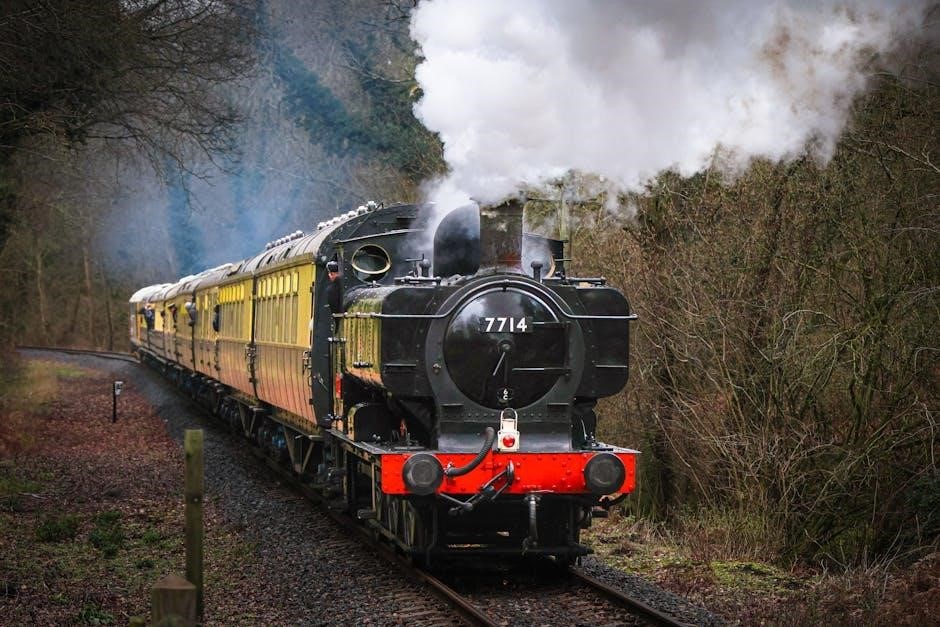
The official railway guide’s journey mirrors technological advancements․ Initially, comprehensive printed guides, like George Bradshaw’s pioneering work, were essential for navigating the expanding rail networks․ These meticulously detailed publications contained schedules, route maps, fares, and station amenities․
However, the advent of digital technology revolutionized access to railway information․ Online timetable databases and websites emerged, offering real-time updates and journey planning capabilities․ Mobile apps further enhanced convenience, providing passengers with instant access to train times and platform information on their smartphones․
This shift hasn’t entirely eclipsed printed guides; surprisingly, around 100,000 are still printed monthly, appealing to collectors and those who appreciate their historical value․ Nevertheless, the digital realm now dominates, offering dynamic and readily available information for modern rail travel․
Impact of Nationalization on Guide Content
The official railway guide experienced significant changes during periods of nationalization․ Prior to nationalization, guides reflected the diverse operations of numerous private railway companies, detailing varying services and fares․ Nationalization, however, led to a standardization of information within the guide․
Content became more unified, focusing on a single, nationally coordinated timetable and fare structure․ While this offered clarity for passengers, it also diminished the regional nuances previously highlighted in guides produced by individual companies like the Great Western Railway (GWR)․
Later, the re-introduction of private operators and fragmentation brought complexity back, requiring guides to adapt once more․ The content needed to reflect multiple operators, potentially leading to more detailed, but also more challenging-to-navigate, publications․
The Role of Private Operators and Fragmentation
The official railway guide faced renewed complexity with the rise of private operators․ Following privatization, the landscape of British railways fragmented, demanding guides to incorporate schedules from numerous companies like Govia Thameslink Railway (GTR)․ This contrasted sharply with the unified content seen during nationalization․
Guides had to detail varying fares, ticketing policies, and service levels across different operators, increasing their size and intricacy․ The challenge lay in presenting this fragmented information clearly to passengers․
The need to integrate services, particularly for journeys spanning multiple operators, became paramount․ Modern digital tools now attempt to simplify this, but the core task of representing a fragmented network remains central to the guide’s function․
Key Components of a Traditional Railway Guide
The official railway guide historically included detailed train schedules, route maps, fare information, and station listings – essential tools for pre-digital journey planning․
Train Schedules and Arrival/Departure Times
The official railway guide’s core function has always been the precise listing of train schedules and arrival/departure times․ Early guides meticulously detailed every stop, connection, and expected duration, crucial for navigating the expanding rail networks of the 19th and 20th centuries․ These timetables weren’t simply lists; they were carefully constructed documents reflecting complex operational planning․

Accuracy was paramount, though subject to the realities of steam-era reliability․ Modern guides, both printed and digital, continue this tradition, albeit with real-time updates and sophisticated algorithms․ Even with the advent of digital platforms, the fundamental need for clear, concise schedule information remains․ Cuts to journey times, like the 15 minutes shaved off London to Edinburgh, are prominently featured, demonstrating the guide’s role in highlighting service improvements․ The guide ensures passengers can effectively plan their journeys, whether booking in advance for Christmas fares or relying on up-to-the-minute data․
Route Maps and Network Diagrams
The official railway guide historically included detailed route maps and network diagrams, essential for visualizing the sprawling rail systems․ George Bradshaw’s pioneering guides featured maps illustrating the connections between various companies, aiding travelers in planning multi-leg journeys․ These weren’t merely geographical representations; they showcased the expanding reach of the railways and the possibilities for travel․
Modern guides continue this tradition, though the format has evolved․ Digital platforms offer interactive maps allowing users to zoom, pan, and explore connections․ Network diagrams, simplifying complex routes, remain valuable for understanding the overall structure․ These visual aids are particularly important in regions with fragmented networks, like South East England served by Govia Thameslink Railway (GTR)․ They help passengers navigate the complexities and identify optimal routes, complementing the detailed timetable information․
Fares and Ticketing Information
The official railway guide has always been crucial for detailing fares and ticketing options․ Early guides, like those compiled by George Bradshaw, meticulously listed fares, even including “hackney carriage” costs from stations like Liverpool Lime Street, providing a complete travel expense overview․ As the railway network expanded, fare structures became increasingly complex, necessitating detailed explanations within the guides․
Today, this information is even more vital, given the variety of ticket types and potential discounts․ Modern guides and digital tools integrate fare information with journey planning, allowing passengers to compare prices and find the best deals․ The announcement of new winter timetables by operators like Great Western Railway (GWR) often coincides with fare adjustments, making up-to-date information essential for cost-effective travel․
Station Listings and Amenities
The official railway guide historically provided detailed station listings, extending beyond simple names and locations․ Early editions, mirroring the comprehensive approach of Bradshaw’s guides, included information about station facilities – waiting rooms, refreshment options, and connections to other transport․ This detail was vital for passengers navigating the expanding rail network․
Modern guides, both printed and digital, continue this tradition, though the focus has shifted․ While comprehensive listings remain, emphasis is now placed on accessibility information, available amenities like Wi-Fi and restrooms, and connections to local transport networks․ Operators like Govia Thameslink Railway (GTR) highlight station amenities as part of their timetable announcements, recognizing their importance to passenger experience․

Modern Railway Guides and Digital Tools
The official railway guide now thrives online via databases, mobile apps offering real-time updates, and integrated journey planners, enhancing travel convenience significantly․
Online Timetable Databases and Websites
The official railway guide’s digital evolution is prominently displayed through comprehensive online timetable databases and websites․ These platforms offer a dynamic alternative to traditional printed guides, providing up-to-the-minute information on train schedules, routes, and potential disruptions․ Users can easily search for specific journeys, filter results based on preferences, and access detailed station information․
Websites like National Rail Enquiries in the UK serve as central hubs, aggregating data from multiple train operating companies․ Similar services exist globally, catering to regional railway networks․ These resources are continuously updated, reflecting changes due to engineering works, seasonal timetable adjustments, or unforeseen events․ The accessibility and convenience of these online tools have made them indispensable for both regular commuters and occasional travelers, effectively extending the reach of the official railway guide into the digital age․
Mobile Apps for Real-Time Train Information
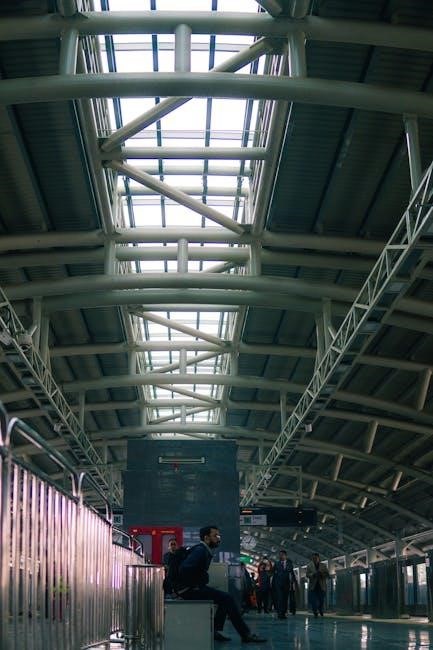
The official railway guide has seamlessly transitioned to mobile platforms, offering real-time train information directly to passengers’ smartphones․ Dedicated apps provide instant updates on train times, platform numbers, delays, and cancellations, surpassing the limitations of static timetables․ Push notifications alert users to disruptions affecting their planned journeys, enabling proactive adjustments․
These apps often integrate journey planning features, allowing users to explore different routes and compare travel options․ Location-based services pinpoint a user’s location and display nearby stations, enhancing convenience․ The availability of mobile ticketing further streamlines the travel experience․ By delivering timely and personalized information, these apps represent a significant advancement in how passengers access the core functionality of the official railway guide, ensuring smoother and more reliable travel․
Journey Planning Tools and Integration with Other Transport
The official railway guide’s modern iteration extends beyond rail-specific information, incorporating comprehensive journey planning tools․ These platforms integrate train schedules with other modes of transport – buses, trams, subways, and even ride-sharing services – to create seamless, multi-modal itineraries․ Users can plan door-to-door journeys, considering optimal routes and transfer points․
Advanced features include real-time traffic updates and estimated travel times for each leg of the journey․ Integration with mapping services provides visual guidance, while accessibility options cater to diverse passenger needs․ This holistic approach transforms the official railway guide from a simple timetable into a powerful travel companion, simplifying complex journeys and promoting efficient, connected travel experiences for all․

Regional Variations in Railway Guides
The official railway guide displays diverse regional adaptations, like GWR, Central/Western Railway (Mumbai), and Govia Thameslink, reflecting unique network complexities and passenger demands․
The Great Western Railway (GWR) Timetables
The official railway guide’s representation of the Great Western Railway (GWR) timetables showcases a commitment to improved services, particularly as new winter schedules are introduced․ GWR consistently announces timetable changes, urging customers to book in advance for the best Christmas fares, demonstrating a proactive approach to managing peak travel demands․
These timetables aren’t merely lists of departure and arrival times; they represent a dynamic response to passenger needs and infrastructure improvements․ Recent updates focus on delivering more trains, faster journeys – like a 15-minute reduction between London Kings Cross and Edinburgh – and enhanced reliability․ The GWR timetable exemplifies how the official railway guide adapts to evolving rail networks, balancing ambition with the lessons learned from past disruptions, such as the 2018 timetable fiasco․
Central Railway (Mumbai) and Western Railway (WR) Timetables
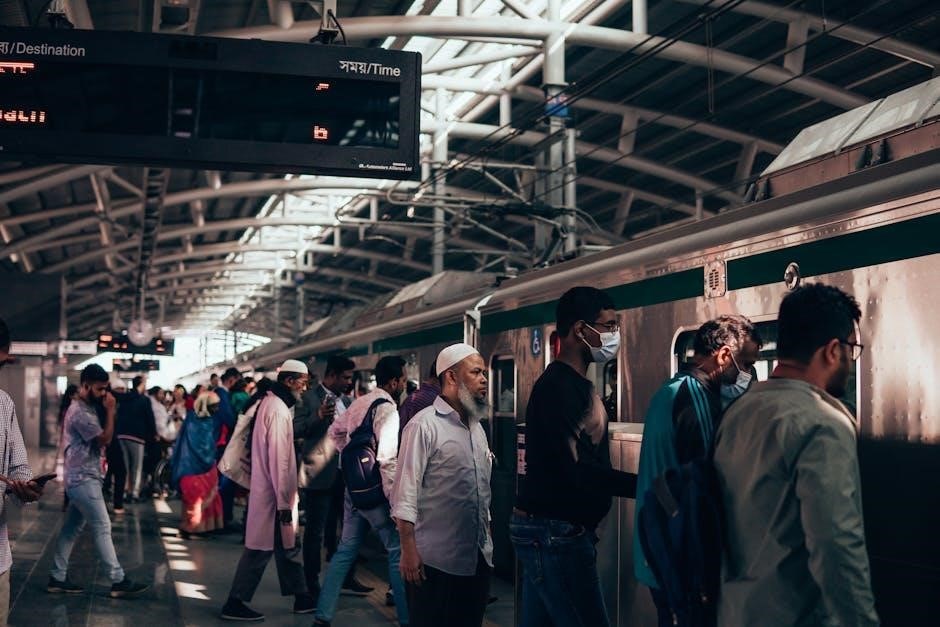
The official railway guide reflects the significant developments within the Mumbai Metropolitan Region (MMR), specifically concerning the Central Railway (CR) and Western Railway (WR) timetables․ These newly announced schedules address the growing demands of a rapidly expanding urban population, aiming to optimize suburban rail services for millions of commuters․
The official railway guide’s coverage of CR and WR highlights a focus on increased frequency and improved connectivity․ While specific details require consulting the guide itself, the announcements signal a commitment to enhancing the overall passenger experience․ These timetables are crucial for daily life in Mumbai, and their accuracy, as documented within the official railway guide, is paramount․ They represent a complex system striving for efficiency amidst considerable urban growth․
Govia Thameslink Railway (GTR) and South East England
The official railway guide meticulously details service alterations for Govia Thameslink Railway (GTR), a key operator in South East England․ New timetables, commencing in December, introduce added services across the Thameslink network and other GTR-operated routes․ This information, vital for commuters, is comprehensively presented within the official railway guide, ensuring passengers have access to the latest schedules․
The official railway guide’s coverage of GTR is particularly important given the region’s high passenger density and complex rail infrastructure․ Accurate timetable information, as found within the guide, is essential for seamless journeys․ These updates reflect ongoing efforts to improve connectivity and reliability, and the official railway guide serves as the definitive source for navigating these changes effectively․

The Enduring Appeal of Printed Railway Guides
The official railway guide, despite digital alternatives, retains a dedicated following; around 100,000 copies are printed monthly, showcasing enduring charm and collectibility․
Collectibility and Historical Value
The official railway guide, in its printed form, has become a treasured item for collectors and historians alike․ Early editions, like the first compilation by George Bradshaw, offering maps, fares – even hackney carriage costs from Liverpool Lime Street – are particularly sought after at auction․
These guides aren’t merely timetables; they represent a snapshot of a specific era, detailing the expanding railway network and societal changes accompanying it․ They offer valuable insights into past travel patterns, station amenities, and the operational practices of numerous railway companies․ The historical value extends beyond the schedules themselves, encompassing advertising, illustrations, and the very paper and binding techniques used․
The guides document the golden age of rail, nationalization impacts, and the fragmentation with private operators, making each edition a unique historical artifact․ Their collectibility stems from this rich narrative and the tangible connection they provide to a bygone era of rail travel․
The Charm of Japanese Train Timetables
The official railway guide takes on a unique cultural significance in Japan, where train timetables are renowned for their complexity and precision․ Despite the proliferation of digital tools, approximately 100,000 printed timetables are still circulated monthly, demonstrating a continued preference for the physical format․
Editors and foreign residents alike appreciate the detailed nature of these guides, which go beyond simple arrival and departure times․ They offer a comprehensive overview of the extensive Japanese rail network, including connections, train types, and even seat reservations․ This level of detail appeals to both seasoned commuters and rail enthusiasts․
The charm lies in the meticulous planning and dedication to accuracy, reflecting a broader cultural emphasis on efficiency and reliability․ These timetables aren’t just tools; they’re objects of fascination and a testament to Japan’s railway prowess․

Challenges and Future Trends
The official railway guide faces ongoing challenges maintaining accuracy amid dynamic systems, potential timetable disruptions, and adapting to evolving passenger needs in the digital age․
Maintaining Accuracy in a Dynamic System
Maintaining accuracy within the official railway guide presents a significant, ongoing challenge․ The railway network is rarely static; engineering works, unforeseen disruptions, and adjustments to schedules are commonplace․ Billions are invested, yet the spectre of timetable failures, like the 2018 issues, looms large․
Real-time information is crucial, demanding constant updates to both digital platforms and, surprisingly, the still-popular printed guides – around 100,000 are printed monthly! The integration of data from multiple operators, especially with fragmentation in the system, adds complexity․ Faster journeys and improved reliability are goals, but achieving them requires meticulous coordination and swift communication of changes to ensure the official railway guide remains a trustworthy resource for travelers․
The Spectre of Timetable Fiascos (e․g․, 2018)
The memory of the 2018 timetable fiasco continues to haunt railway planning, serving as a stark reminder of the fragility of even the most meticulously crafted schedules․ This disruption highlighted the interconnectedness of the network and the cascading effects of even minor errors within the official railway guide․
Introducing new timetables, promising more trains and faster journeys, carries inherent risk․ The complexity of coordinating changes across multiple operators, coupled with the potential for unforeseen engineering works, creates a volatile environment․ Maintaining public trust requires transparency and a robust system for managing disruptions, ensuring the official railway guide accurately reflects the current, operational reality, and avoids repeating past failures;
Impact of Investment and Engineering Works
Significant investment and extensive engineering works are fundamental to improving rail infrastructure, yet they introduce considerable challenges for the official railway guide․ Planned upgrades, while ultimately beneficial, necessitate temporary alterations to schedules, route diversions, and potential service cancellations․ Accurately reflecting these dynamic changes within the guide is crucial for passenger information․
The guide must clearly communicate the impact of these works, providing details on affected routes, alternative travel options, and anticipated completion dates․ Failure to do so can lead to widespread confusion and disruption․ Maintaining an up-to-date official railway guide, incorporating real-time information about engineering projects, is paramount to minimizing passenger inconvenience and upholding service reliability․
Faster Journeys and Improved Reliability
The promise of faster journeys and improved reliability directly impacts the utility of the official railway guide․ Reduced travel times, like the 15-minute improvement between London Kings Cross and Edinburgh, demand precise timetable updates within the guide․ Passengers rely on accurate information to maximize efficiency and plan connections effectively․
Enhanced reliability, a key goal of rail investment, also influences the guide’s value․ Fewer delays and cancellations translate to a more predictable service, allowing the official railway guide to offer a more trustworthy representation of scheduled departures and arrivals․ The guide’s credibility hinges on reflecting these improvements, solidifying its role as an essential travel companion․
The Continued Relevance of Timetables in the Digital Age
Despite the proliferation of transfer apps and real-time information, the official railway guide, in both printed and digital forms, retains significant relevance․ Remarkably, around 100,000 timetables are still printed monthly, demonstrating enduring demand․ This suggests a preference for a consolidated, offline resource, offering a comprehensive overview of services․
Even with digital tools, timetables provide a crucial baseline for planning․ They offer a predictable structure, unaffected by momentary disruptions․ The official railway guide serves as a valuable backup and a means to understand the overall network, complementing the immediacy of live updates․ Its continued existence proves its lasting utility․
Adapting to Changing Passenger Needs
The future of the official railway guide hinges on its ability to integrate seamlessly with evolving passenger expectations․ Modern travelers demand not just schedules, but holistic journey planning, encompassing multiple transport modes․ Therefore, guides must evolve beyond traditional timetables, incorporating transfer app functionality and real-time disruption alerts․
Furthermore, accessibility is paramount․ Digital platforms need intuitive interfaces and personalized information delivery․ The official railway guide must cater to diverse needs, from frequent commuters to occasional travelers, offering tailored solutions․ Investment in user-friendly technology and data integration will be crucial for maintaining relevance in a dynamic travel landscape․
Integration with Transfer Apps
Despite the proliferation of independent transfer applications, the official railway guide retains a crucial role by providing authoritative, core timetable data․ Successful adaptation necessitates strategic integration, rather than competition, with these apps․ This involves open data sharing initiatives, allowing developers to access accurate, real-time train information directly from official sources․
Such collaboration enhances the user experience, offering seamless multimodal journey planning․ Passengers benefit from a unified platform, combining rail schedules with bus, tram, and other transport options․ The official railway guide can thus become a central hub, powering a network of travel tools and solidifying its continued relevance in the digital age․