
The Stretch Out Strap is a fantastic tool for improving flexibility and range of motion, aiding recovery and enhancing athletic performance․
What is a Stretch Out Strap?
This durable strap assists in deepening stretches, making them more accessible and effective for users of all fitness levels․
Benefits of Using a Stretch Out Strap
Experience increased flexibility, reduced muscle tension, improved posture, and a lower risk of injury with consistent strap use․
A Stretch Out Strap is fundamentally a long, durable strap designed to assist in stretching exercises․ Typically constructed from strong nylon or a similar synthetic material, it features multiple loops or a continuous slot allowing for adjustable length․
These straps aren’t merely about making stretches easier; they’re about enhancing the quality of the stretch․ By providing a consistent and reliable pulling force, the strap helps isolate target muscle groups and deepen the stretch beyond what might be achievable through bodyweight alone․
They come in varying lengths and widths, catering to different body types and stretching needs․ Often, one end of the strap incorporates a foot loop or plate for secure foot placement, while the other end is held with the hands․ It’s a simple, yet incredibly effective tool for improving flexibility and mobility․
Employing a Stretch Out Strap unlocks a multitude of benefits for your physical well-being․ Primarily, it significantly increases flexibility, improving your range of motion in key muscle groups like hamstrings, calves, and shoulders․
Regular use can lead to reduced muscle soreness and tension, accelerating recovery after workouts․ The strap also promotes better posture by addressing muscle imbalances․ Furthermore, it’s a fantastic preventative measure, lowering the risk of injuries during physical activity․
Beyond the physical, the strap can enhance body awareness and control․ It allows for a more controlled and focused stretch, making it suitable for all fitness levels, from beginners to advanced athletes․ Consistent use contributes to improved overall physical performance and comfort․
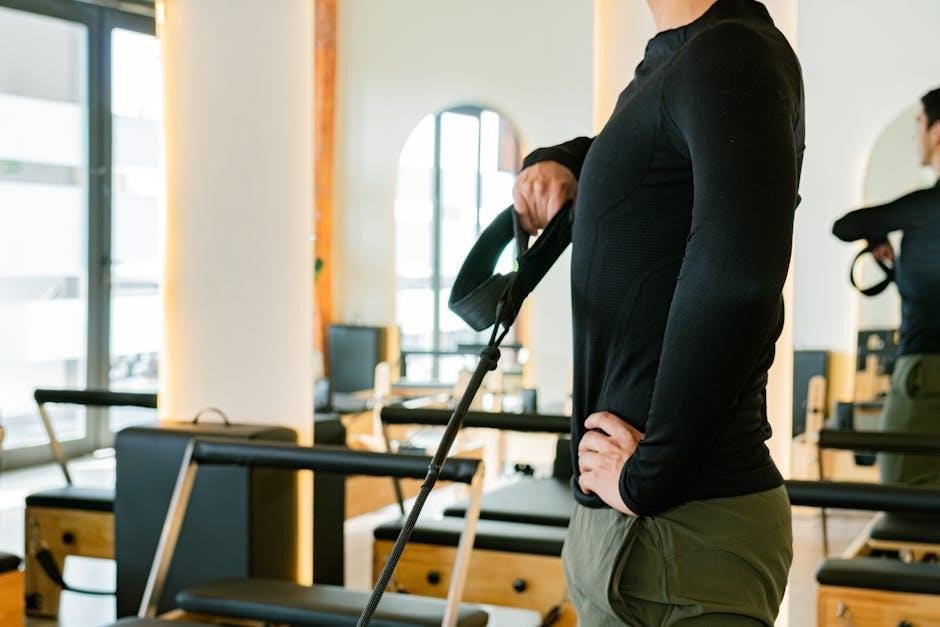
Understanding the Stretch Out Strap Manual
The official manual provides crucial guidance on safe and effective strap usage, maximizing benefits and preventing potential injuries during stretching routines․
Why You Need the PDF Manual
Access detailed instructions, exercise variations, and safety precautions to optimize your stretching experience and avoid improper form․
Locating the Official PDF Manual
Find the downloadable PDF on the manufacturer’s website, ensuring you have the latest version with updated safety information․
Accessing the PDF manual is paramount for a safe and productive stretching experience with your Stretch Out Strap․ It’s not simply about knowing how to use the strap, but understanding the nuances of proper technique to avoid injury․
The manual details specific stretching exercises, clearly illustrating correct body positioning and breathing techniques․ It also outlines modifications for different flexibility levels, ensuring everyone can benefit․ Beyond exercises, the manual provides crucial safety warnings, highlighting potential risks and how to mitigate them․
Furthermore, the PDF format allows for easy access on any device – phone, tablet, or computer – meaning you can have guidance readily available during your stretching sessions․ Don’t rely on memory or guesswork; the manual is your comprehensive guide to maximizing the benefits of your Stretch Out Strap․
Finding the official Stretch Out Strap PDF manual is straightforward․ The primary source is the manufacturer’s official website – typically found through a quick online search for “Stretch Out Strap․” Navigate to the ‘Support’ or ‘Resources’ section; the manual is usually listed under ‘Downloads’ or ‘User Guides․’
Be cautious of third-party websites offering manuals, as these may be outdated or inaccurate․ Always prioritize the official source to ensure you have the most current safety information and exercise instructions․ If you purchased the strap from a retailer, check their website as they sometimes host the manual directly․
Alternatively, contacting customer support via email or phone (details on the official website) will quickly provide a direct link to the PDF․ Downloading and saving the manual ensures you always have access, even without an internet connection․

Components of the Stretch Out Strap
Understanding the strap’s parts – from durable webbing to secure buckles – is key to safe and effective stretching practices․
Strap Material and Construction
High-quality nylon webbing ensures strength and longevity, capable of withstanding repeated stretching and consistent use over time․
Foot Plate Design
The foot plate’s ergonomic shape provides a comfortable and secure anchor point for your foot during various stretching exercises․
Adjustable Buckles and Loops
Robust buckles and multiple loops allow for customized strap length, accommodating different body types and stretch intensities․
The core of the Stretch Out Strap lies in its robust construction, prioritizing both durability and user comfort․ The strap itself is typically crafted from heavy-duty, high-tenacity nylon webbing․ This material is specifically chosen for its exceptional strength-to-weight ratio, ensuring it can withstand significant tension during stretching exercises without fraying or tearing․
Reinforced stitching at stress points further enhances the strap’s longevity․ The weaving pattern of the nylon also contributes to its resilience, preventing stretching or deformation over time․ Many manufacturers utilize a double-layered webbing design in critical areas for added security․ The quality of the nylon is paramount; cheaper alternatives may lack the necessary strength and could pose a safety risk․
Look for straps that clearly specify the nylon denier (a unit of measurement for fiber thickness) – higher denier generally indicates a more durable strap․
The foot plate, a crucial component of the Stretch Out Strap, is designed to securely and comfortably accommodate the foot during stretching․ Typically constructed from a durable, yet slightly flexible plastic or a dense foam, the plate’s shape is often contoured to cradle the arch and heel․ This design prevents slippage and maximizes contact for effective stretching․
Textured surfaces are frequently incorporated into the foot plate to further enhance grip, even when feet are sweaty․ Some models feature adjustable angles or multiple foot placement options, catering to varying levels of flexibility and stretch preferences․ The plate’s attachment point to the strap is also critical; it must be securely fastened to withstand significant pulling forces․
Consider the size of the foot plate – it should be large enough to comfortably accommodate your foot without feeling cramped․ A well-designed foot plate significantly improves the overall stretching experience․
The adjustable buckles and loops are fundamental to the Stretch Out Strap’s versatility․ These components allow users to customize the strap’s length, tailoring it to their individual flexibility levels and the specific stretch being performed․ Buckles are commonly made from durable plastic or metal, designed for easy adjustment and secure locking․
Loop configurations vary between models; some utilize a series of loops along the strap’s length, offering incremental adjustments, while others employ a single, sliding buckle system․ Understanding how to properly operate these mechanisms is key to maximizing the strap’s benefits․
Regularly inspect the buckles and loops for signs of wear or damage․ Ensure they are firmly secured before each use to prevent slippage during stretching, which could lead to injury․ Proper buckle function is vital for a safe and effective stretching routine․

Setting Up Your Stretch Out Strap
Proper setup ensures a safe and effective stretching experience․ Adjust the strap length, find a stable surface, and always prioritize warming up beforehand․
Initial Strap Adjustment
Begin by adjusting the strap to a comfortable length, allowing for a gentle stretch without overextension․
Finding a Suitable Stretching Surface
Choose a non-slip surface like a yoga mat or carpeted area to maintain stability during your stretches․
Safety Precautions Before Use
Always warm up muscles before stretching and avoid pushing beyond your comfortable range of motion․
Before commencing your stretching routine, proper initial adjustment of the Stretch Out Strap is crucial․ Begin by fully extending the strap and then utilize the adjustable buckles to shorten it to a starting length․
Consider your flexibility level; beginners should start with a longer strap length, allowing for a gentler stretch․ More experienced users may prefer a shorter length for a deeper stretch․
The foot plate should be comfortably positioned for your foot, ensuring a secure grip․ Test the adjustment by gently pulling on the strap – it should feel secure and not slip easily․
Remember, you can always readjust the strap during your session to modify the intensity of the stretch․ Refer to the diagrams in the full manual PDF for visual guidance on buckle operation and optimal length settings for various exercises․
Selecting the right surface is paramount for a safe and effective stretching experience with your Stretch Out Strap․ A non-slip surface, such as a yoga mat or carpeted floor, is highly recommended to prevent unwanted movement during exercises․
Avoid hard, cold surfaces like tile or concrete, as they can be uncomfortable and may increase the risk of slipping․ Ensure the surface is level and free from obstructions that could cause tripping or imbalance․
Sufficient space is also essential – you’ll need enough room to fully extend your limbs without hitting furniture or walls․ The Stretch Out Strap manual PDF provides illustrations demonstrating appropriate space requirements for different stretches․
Prioritize a stable and comfortable environment to maximize the benefits of your stretching routine and minimize the potential for injury․
Prior to utilizing your Stretch Out Strap, carefully review the entire Stretch Out Strap manual PDF to fully understand proper usage and potential risks․ Always warm up your muscles with light cardio before stretching to increase blood flow and flexibility․
Never force a stretch beyond your comfortable range of motion; listen to your body and stop if you feel pain․ Ensure the strap is securely fastened and adjusted to your desired length before beginning any exercise․
Avoid using the strap if you have any acute injuries, such as muscle strains or sprains․ Consult with a healthcare professional if you have pre-existing medical conditions․ Proper form is crucial – refer to the manual’s illustrations for guidance․

Basic Stretching Exercises with the Strap
Begin your stretching journey with foundational exercises, utilizing the strap to enhance reach and deepen stretches safely and effectively․
Calf Stretch – Gastrocnemius Focus
Target the upper calf muscle by looping the strap around your foot and gently pulling back, maintaining a straight leg․
Soleus Stretch – Lower Calf Focus
Bend your knee slightly while using the strap to stretch the lower calf muscle, the soleus, for a comprehensive calf stretch․
Hamstring Stretch – Seated Position
Sit with legs extended, loop the strap around your foot, and gently pull to feel a stretch along the back of your thigh․
To effectively target the gastrocnemius, the larger calf muscle, begin by sitting on the floor with your legs extended straight out in front of you․ Loop the Stretch Out Strap around the ball of your foot on the leg you intend to stretch․
Gently pull back on the strap, keeping your leg straight – avoid bending your knee during this phase․ You should feel a stretch along the back of your calf․
Hold this position for 20-30 seconds, breathing deeply and consistently․ Maintain a straight back and avoid rounding your shoulders․ Repeat 2-3 times on each leg․
Important Note: If you feel any sharp pain, immediately release the stretch․ A gentle pulling sensation is desired, not discomfort․ Adjust the strap length to modify the intensity․
The soleus muscle, located beneath the gastrocnemius, is targeted with a slightly different technique․ Begin seated with legs extended․ Loop the Stretch Out Strap around the ball of your foot, as before․
This time, gently pull back on the strap while slightly bending your knee․ This bend isolates the soleus․ You’ll feel the stretch lower down in your calf, closer to your ankle․
Hold the stretch for 20-30 seconds, maintaining deep, even breaths․ Keep your back straight and avoid hunching․ Repeat 2-3 times per leg․
Remember: The key difference is the bent knee․ This alters the muscle focus․ Stop immediately if you experience any sharp pain, and adjust strap tension as needed․
To effectively stretch your hamstrings using the Stretch Out Strap, begin by sitting on the floor with your legs extended straight out in front of you․ Loop the strap around the ball of one foot, holding the ends firmly with both hands․
Gently pull back on the strap, keeping your back as straight as possible․ Avoid rounding your spine; imagine a string pulling you upwards from the crown of your head․ You should feel a stretch along the back of your thigh․
Hold this position for 20-30 seconds, breathing deeply and evenly․ Repeat 2-3 times on each leg․ Important: Do not bounce or jerk; maintain a slow, controlled pull․
Adjust the strap length to modify the intensity of the stretch․ Stop if you feel any sharp or intense pain․

Advanced Stretching Techniques
Elevate your routine with dynamic movements, yoga integration, and PNF stretching – maximizing flexibility gains using the strap effectively․
Using the Strap for Dynamic Stretching
Incorporate controlled movements while holding the strap, preparing muscles for activity and increasing range of motion․
Incorporating the Strap into Yoga Routines
Enhance yoga poses like Paschimottanasana (Seated Forward Bend) for a deeper, more supported stretch․
Proprioceptive Neuromuscular Facilitation (PNF) with the Strap
Combine strap stretching with PNF techniques for improved muscle length and flexibility․
Dynamic stretching, unlike static stretching, involves controlled movements through a full range of motion․ Utilizing the Stretch Out Strap during these exercises amplifies their benefits․ Begin by looping the strap around your foot or hands, maintaining a light tension․
Perform leg swings – forward, backward, and sideways – using the strap to assist and deepen the stretch․ Similarly, arm circles and torso twists can be enhanced with the strap’s support․ The key is to avoid bouncing; focus on smooth, controlled motions․
This technique prepares your muscles for activity, increasing blood flow and improving flexibility․ It’s ideal as a warm-up before workouts or sports․ Remember to gradually increase the range of motion with each repetition, always listening to your body and avoiding any pain․
The Stretch Out Strap seamlessly integrates into various yoga poses, enhancing accessibility and deepening stretches for practitioners of all levels․ In poses like Paschimottanasana (Seated Forward Fold), loop the strap around your feet to bridge the gap and maintain a straight spine․
For Gomukhasana (Cow Face Pose), use the strap to connect hands behind your back if they don’t naturally meet․ It’s also beneficial in shoulder openers and hamstring stretches․ The strap provides a gentle assist, allowing you to explore the pose more fully and safely․
Remember to breathe deeply and maintain proper alignment while using the strap․ It’s a tool to support your practice, not force your body beyond its limits․ Experiment with different poses to discover how the strap can enhance your yoga experience․
Proprioceptive Neuromuscular Facilitation (PNF), when combined with the Stretch Out Strap, can dramatically improve flexibility and range of motion․ A common technique involves contracting the targeted muscle against the strap’s resistance for 5-10 seconds․
For example, during a hamstring stretch, gently pull your leg further with the strap, then actively push your heel against the strap as if trying to shorten the muscle․ Relax, and then gently increase the stretch․
This “contract-relax” method tricks the nervous system into allowing a greater stretch․ Always perform PNF stretches with control and avoid bouncing․ The strap provides a safe and consistent resistance, making PNF more accessible and effective․ Remember to consult a healthcare professional before starting any new stretching routine․

Troubleshooting Common Issues
Encountering problems? This section addresses frequent issues like slippage, buckle malfunctions, and wear and tear, ensuring optimal strap performance․
Strap Slipping During Use
To prevent slipping, ensure the foot plate is firmly positioned and the strap is tightened securely before initiating the stretch․
Buckle Malfunction
Inspect the buckle for debris or damage․ If it’s jammed, gently try to release it; avoid excessive force to prevent breakage․
Strap Material Wear and Tear
Regularly inspect the strap for fraying or tears․ Discontinue use if significant damage is detected to avoid potential injury․
A common concern is the strap slipping during stretches, which can disrupt your form and reduce effectiveness․ Several factors contribute to this issue․ First, ensure your foot is securely placed within the foot plate, with a snug but comfortable fit․ Avoid wearing socks that significantly reduce friction․
Secondly, verify the strap is adequately tightened before beginning the stretch․ A loose strap will inevitably slip under tension․ Utilize the adjustable buckles to achieve a firm hold․ Finally, the stretching surface itself plays a role; a smooth floor can cause the foot plate to slide․ Consider using a yoga mat or carpeted area for increased grip․
If slippage persists, double-check the buckle’s locking mechanism to confirm it’s fully engaged․ Consistent slippage may indicate excessive wear on the strap material, prompting inspection for damage (see the ‘Strap Material Wear and Tear’ section)․
Experiencing issues with the adjustable buckles is frustrating, but often resolvable․ Common malfunctions include buckles that won’t tighten, release unexpectedly, or become stuck․ First, inspect the buckle for any visible debris – dirt, dust, or fabric – obstructing its mechanism․ Gently clean with a damp cloth․
If the buckle remains unresponsive, attempt to gently manipulate it back and forth to loosen any internal binding․ Do not force it, as this could cause further damage․ Check the strap material around the buckle for tears or fraying, which might be interfering with proper function․
If the buckle is severely damaged or irreparable, discontinue use of the strap․ Contact customer support (see ‘Resources & Further Information’) for potential replacement options․ Attempting to repair a broken buckle yourself is not recommended and could compromise safety․
Over time, the strap material may exhibit signs of wear and tear, including fraying, stretching, or minor abrasions․ Regular inspection (see ‘Maintaining Your Stretch Out Strap’) is crucial․ Minor fraying can often be managed by carefully trimming loose threads with scissors, preventing further unraveling․
However, significant stretching or visible damage – like tears or weakening of the material – compromises the strap’s integrity and safety․ Continued use with damaged material increases the risk of snapping during a stretch, potentially causing injury․
If substantial wear is detected, discontinue use immediately․ Do not attempt to repair severely damaged straps with tape or adhesives, as these are temporary fixes․ Contact customer support for replacement options, ensuring your stretching routine remains safe and effective․ Prioritize safety over attempting to prolong the life of a compromised strap․

Maintaining Your Stretch Out Strap
Regular care extends the life of your strap! Cleaning, proper storage, and consistent inspection for damage are essential for optimal performance․
Cleaning Instructions
Wipe down the strap with a damp cloth and mild soap after each use to remove sweat and dirt, then air dry completely․
Storage Recommendations
Store the strap in a cool, dry place away from direct sunlight and extreme temperatures to prevent material degradation․
Inspecting for Damage
Before each use, carefully check for fraying, tears, or buckle malfunctions to ensure safe and effective stretching sessions․
Maintaining hygiene is crucial for a comfortable and effective stretching experience․ After each use, or at least weekly with regular use, thoroughly clean your Stretch Out Strap․ Begin by wiping down the entire strap with a clean, damp cloth․ For more stubborn dirt or sweat residue, add a small amount of mild, pH-neutral soap to the water․
Avoid harsh chemicals, abrasive cleaners, or bleach, as these can damage the strap’s material and compromise its integrity․ Gently scrub the strap, paying particular attention to areas that come into direct contact with your skin․ Rinse the cloth frequently to ensure you’re not simply spreading dirt around․
Once cleaned, air dry the strap completely․ Do not use a dryer or expose it to direct sunlight, as heat can cause the material to shrink or become brittle․ Ensure the strap is fully dry before storing it to prevent mildew or unpleasant odors․ A well-maintained strap will provide years of reliable service!
Proper storage significantly extends the lifespan of your Stretch Out Strap and keeps it ready for your next stretching session․ Ideally, store the strap in a cool, dry place away from direct sunlight and extreme temperatures․ Avoid storing it in damp environments like bathrooms or near sources of heat, as this can lead to mildew or material degradation․
To prevent the strap from becoming tangled or damaged, loosely coil it or hang it on a sturdy hook․ Avoid tightly folding or bending the strap for extended periods, as this can create creases and weaken the material․ A dedicated storage bag or container can further protect the strap from dust and debris․
Regularly check the storage area for pests or signs of damage․ By following these simple storage recommendations, you’ll ensure your Stretch Out Strap remains in optimal condition for years to come, supporting your flexibility journey!
Regular inspection of your Stretch Out Strap is crucial for ensuring safe and effective use․ Before each stretching session, carefully examine the entire length of the strap for any signs of wear and tear․ Pay close attention to the stitching, looking for loose threads or unraveling seams․
Check the foot plate for cracks or deformation, and ensure the adjustable buckles and loops are securely fastened and functioning correctly․ Feel for any weakening or fraying of the strap material itself․ If you notice any damage – even seemingly minor – discontinue use immediately․
Continued use of a damaged strap could lead to injury․ Do not attempt to repair the strap yourself; contact the manufacturer for guidance or consider replacing it․ Prioritizing safety through diligent inspection will protect you and maximize the benefits of your stretching routine!
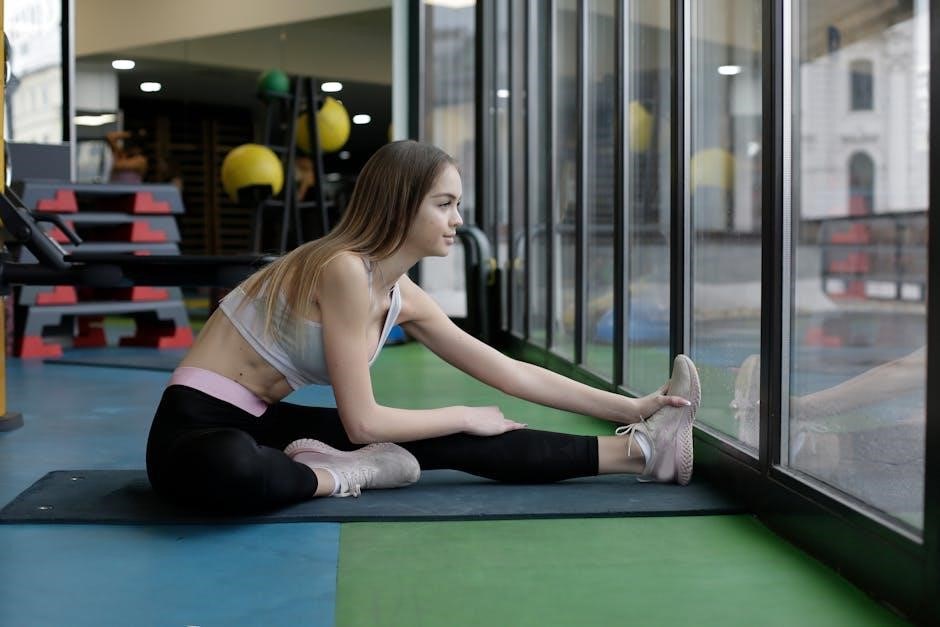
Safety Guidelines & Warnings
Always prioritize proper form during stretching to prevent injuries․ Listen to your body and avoid pushing beyond your comfortable range of motion․
Proper Form to Avoid Injury
Maintaining correct alignment is crucial when using a stretch out strap․ Avoid locking your joints; keep a slight bend in your knees and elbows throughout each stretch․
Breathe deeply and consistently – never hold your breath․ Exhale as you move deeper into the stretch, and inhale to maintain a relaxed state․
Focus on feeling a gentle pull, not pain․ Sharp or intense pain indicates you’re pushing too far․ Immediately ease off the stretch if discomfort arises․
Keep your spine neutral, avoiding excessive rounding or arching of the back․ Engage your core muscles to support your posture and stability․
Slow, controlled movements are far more effective – and safer – than jerky or bouncing motions․ Gradually increase the intensity of the stretch over time․
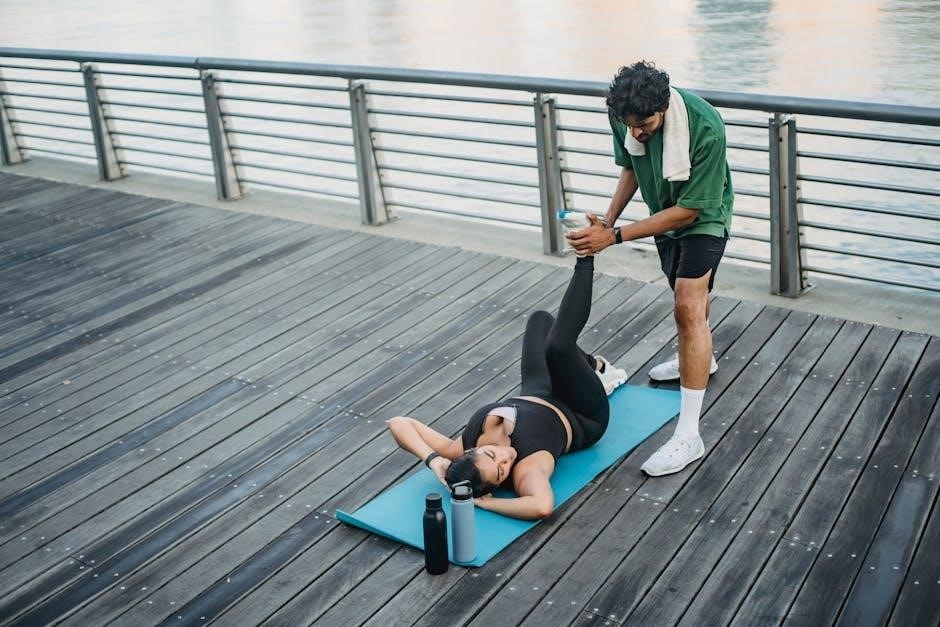
Resources & Further Information
Explore additional stretching guides and expert advice online to maximize your Stretch Out Strap benefits and deepen your practice․
Links to Official Website
Visit our official website for FAQs, video tutorials, and exclusive content related to your Stretch Out Strap․
Related Stretching Resources
Discover articles and routines from certified trainers to enhance flexibility, mobility, and overall wellness․
Access our comprehensive online resource center by visiting www․examplewebsite․com․ Here, you’ll find a dedicated support section specifically for the Stretch Out Strap, including frequently asked questions addressing common user concerns․
We’ve also created a library of instructional videos demonstrating proper stretching techniques and showcasing various exercises you can perform with your strap․ These videos cater to all experience levels, from beginners to advanced users․
Crucially, you can directly download the Stretch Out Strap manual PDF from our website’s ‘Support’ or ‘Downloads’ page․ This ensures you always have access to the latest version, complete with safety guidelines and detailed instructions․ Registering an account unlocks exclusive content and personalized support!
Expand your stretching knowledge with resources from trusted sources! Explore Mayo Clinic’s stretching guide for detailed information on various techniques and benefits․
For yoga enthusiasts, Yoga Journal offers a wealth of poses and sequences, many of which can be enhanced using your Stretch Out Strap․ Discover modifications for all levels․
To learn more about muscle recovery and injury prevention, visit Sports Health․ Their articles provide expert insights into optimizing your physical well-being․ Remember to always consult a healthcare professional before starting any new exercise program, and refer to your Stretch Out Strap manual PDF for specific safety guidelines․